Peculiarities of media education of adults in war conditions
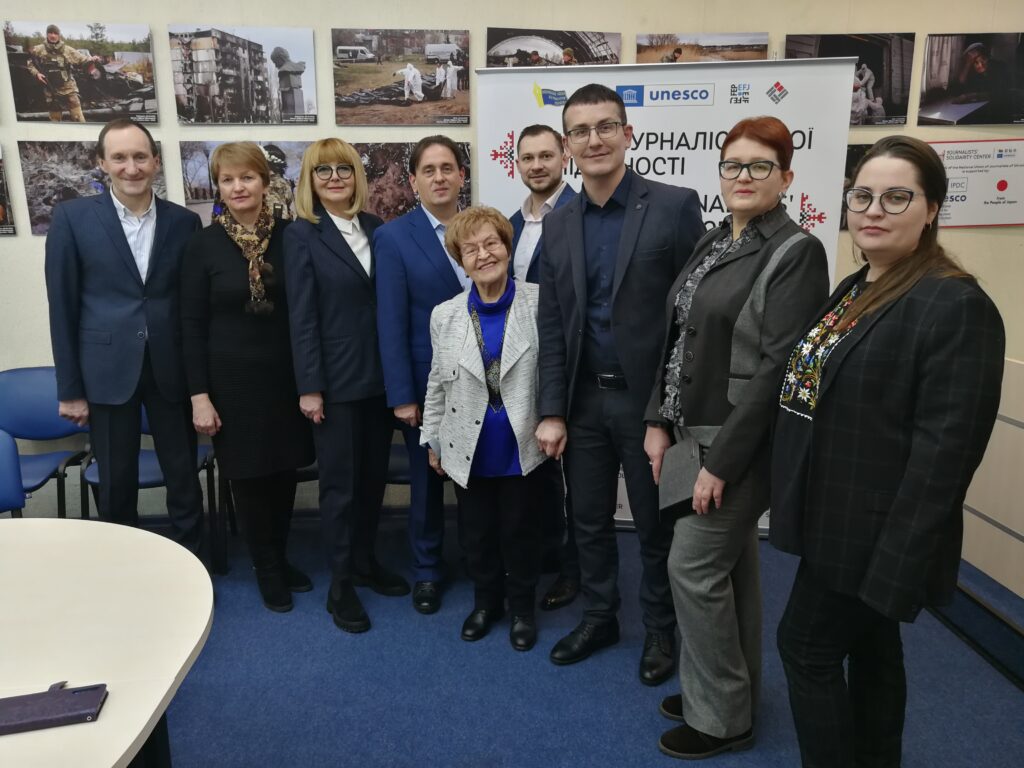
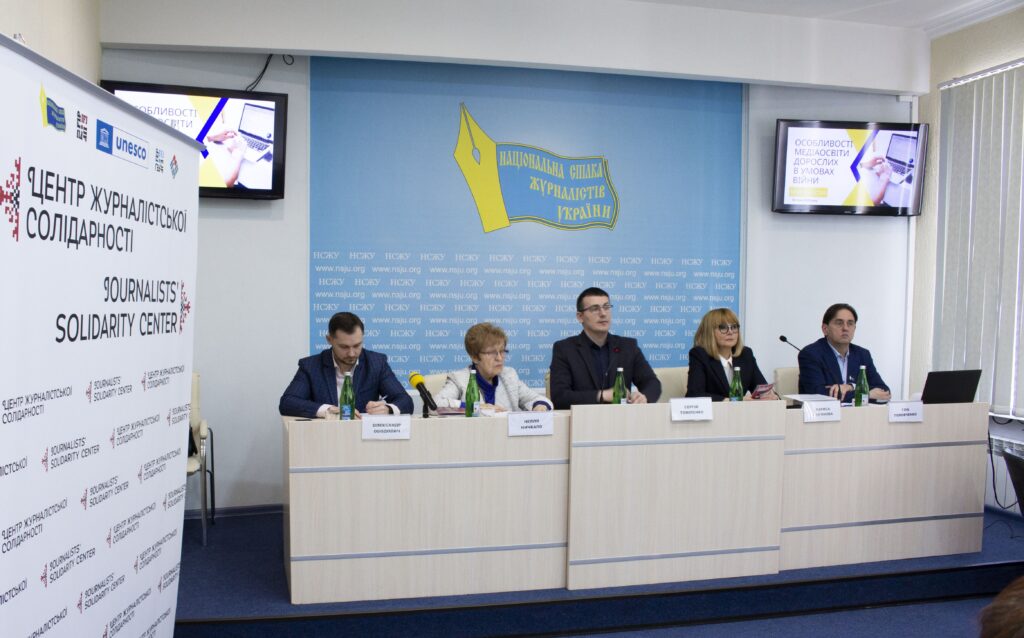
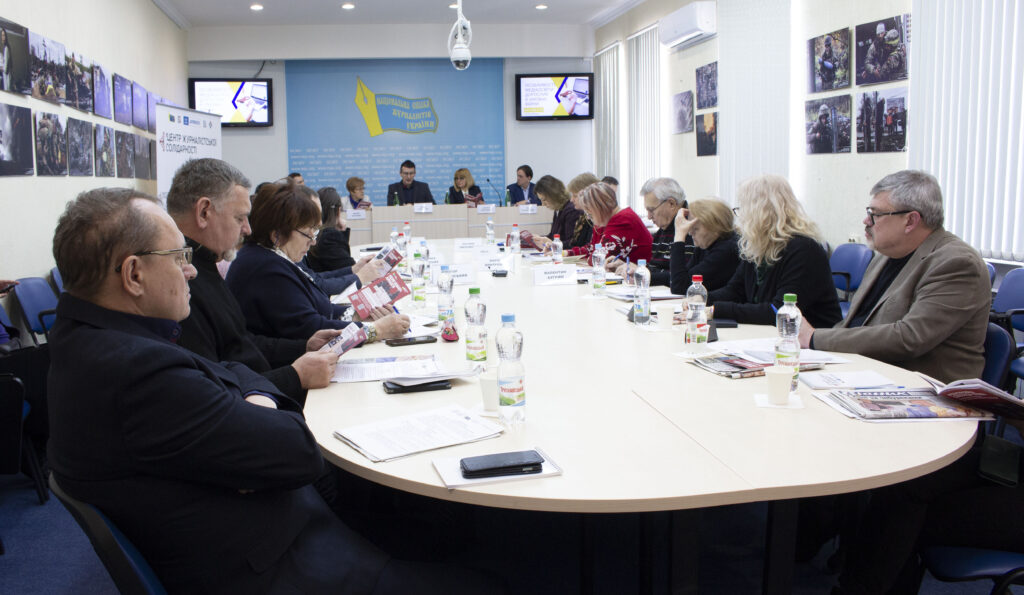
This was the topic of the Round Table organized by the State Committee for Television and Radio-Broadcasting of Ukraine, the National Academy of Educational Sciences of Ukraine, the National Union of Journalists of Ukraine, Ivan Zyazyun Institute of Pedagogical and Adult Education of National Academy of Educational Sciences of Ukraine, the Ukrainian Institute for Advanced Training of Television, Radio Broadcasting and Press Workers (January 30 2024).
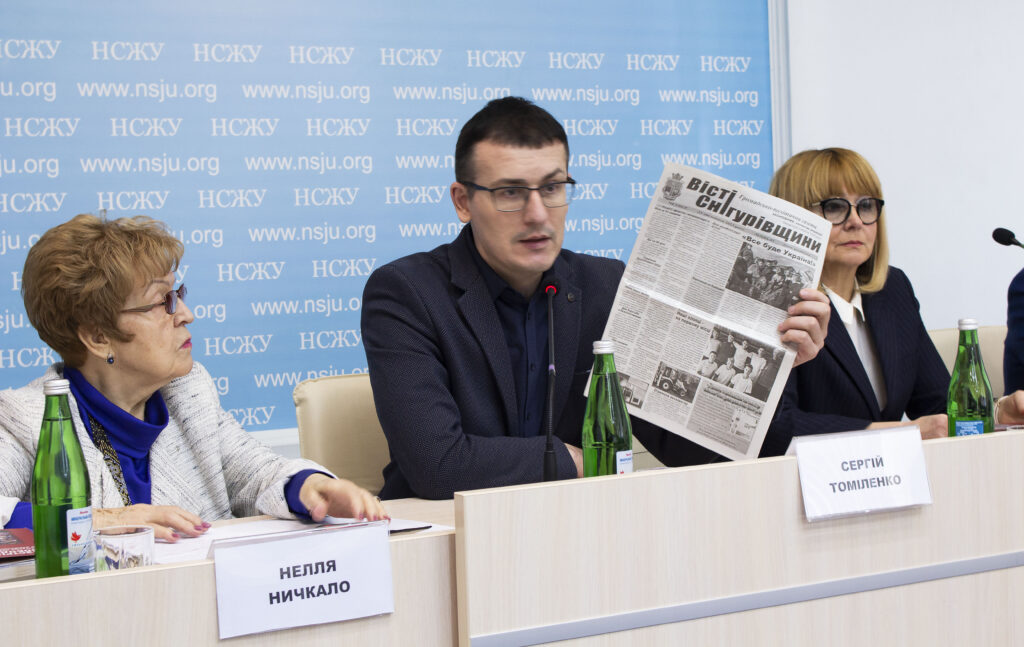
The President of the National Union of Journalists of Ukraine, Honored Journalist of Ukraine Sergiy Tomilenko, welcoming the participants of the round table, noted the effective activities of journalists and workers of the educational sector in the conditions of war, based on the memorandum on cooperation between the National Union of Journalists of Ukraine and the National Academy of Educational Sciences of Ukraine (dated 12.22.2022), presented the edition of the documented war crimes of the Russian occupiers in Ukraine, a unique photo exhibition of war correspondents, paid special attention to the local media, which resumed their activities after de-occupation. Behind these and many other facts is the titanic work of journalists who work for the dissemination in the world, in particular, in international organizations, of true documented information about Russian aggression against Ukraine, strengthening the resistance of Ukrainians to disinformation and fakes.
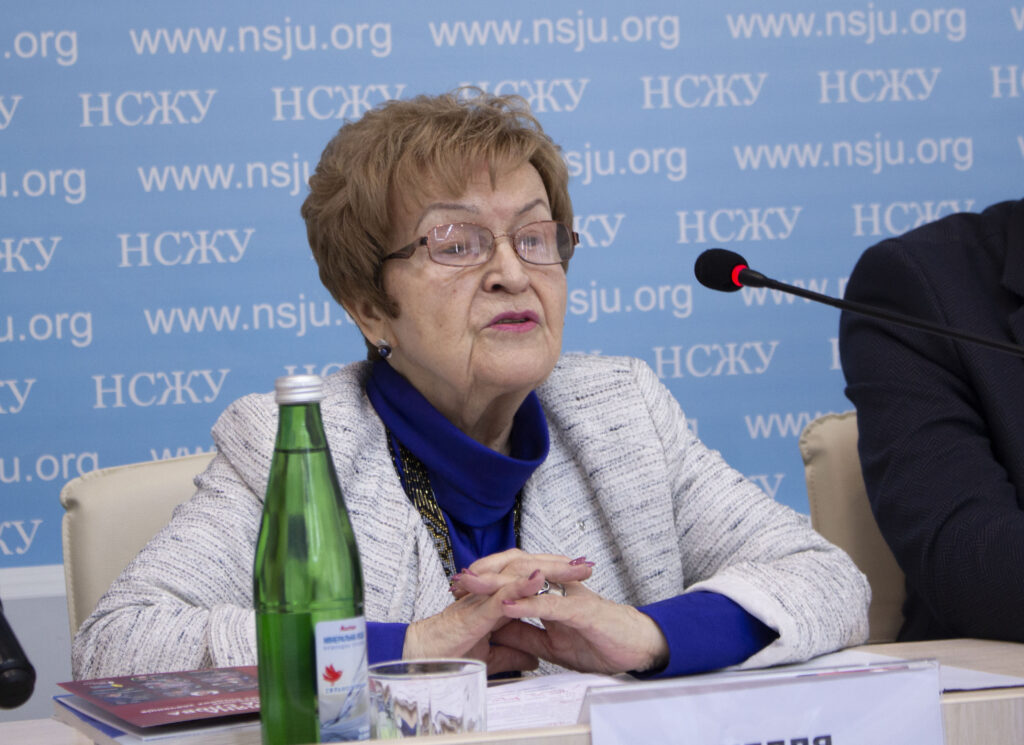
Academician-secretary of the department of professional education and adult education of the National Academy of Educational Sciences of Ukraine, Doctor of Sciences (Dr. Hab.) in Pedagogy, professor, active member (academician) of the National Academy of Educational Sciences of Ukraine, honored worker of science and technology of Ukraine Nellia Nychkalo told about the main steps in the development of andragogy as a scientific subdiscipline, and also indicated a short documentary chronicle, which testifies to the purposeful activity of the National Academy of Educational Sciences of Ukraine, aimed at the development of adult education in our country, the preparation of the Concept and draft of the Law of Ukraine “On Adult Education”, which passed the first reading in the Verkhovna Rada of Ukraine. Nellia Nychkalo emphasized the activities of the Ivan Ziazun Institute of Pedagogical and Adult Education of the National Academy of Educational Sciences of Ukraine, the National Union of Journalists of Ukraine, the Ukrainian Institute for Advanced Training of Television, Radio Broadcasting and Press Workers, which develops new training courses and provides advanced training for television, radio and press workers. She offered to prepare recommendations on the problems of adult education in the conditions of war and post-war times, media hygiene and made offers for publishing the materials of the Round Table in domestic, foreign and international specialist media, in particular, under the auspices of UNESCO.
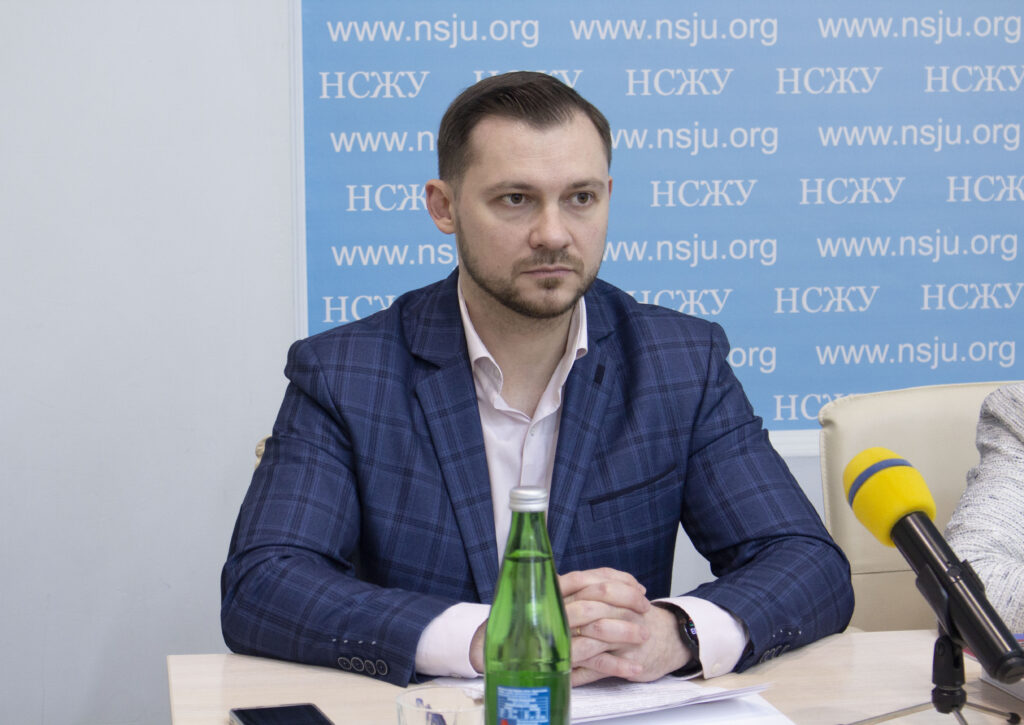
Oleksandr Obodovych, head of the Department for Television and Radio Broadcasting, European and Euro-Atlantic Integration of the State Committee for Television and Radio-Broadcasting of Ukraine, emphasized the current development of trends in media literacy and media hygiene in the context of the struggle for the security of the information front. He greeted the participants of the round table on behalf of the Chairman of the State Committee for Television and Radio-Broadcasting of Ukraine Oleg Nalyvaiko.
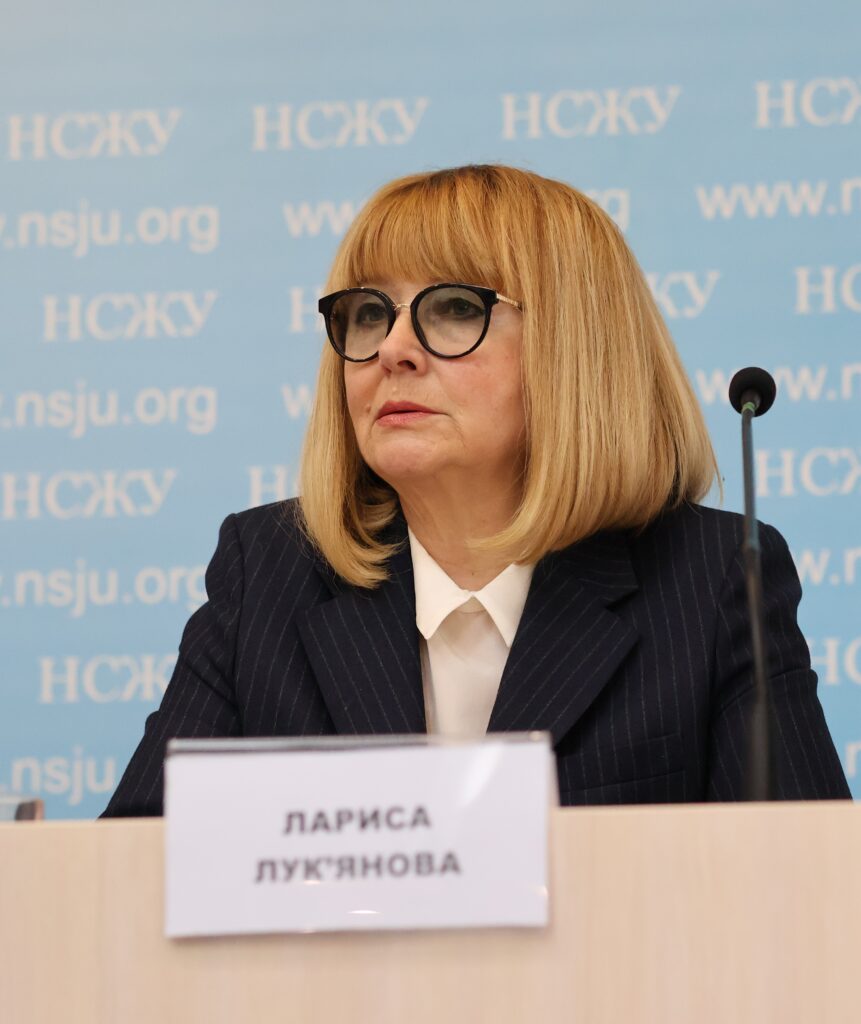
The modern system of adult education of Ukraine and its role in the formation of media literacy of adults in the conditions of war, cooperation with the Ukrainian Institute for Advanced Training of Television, Radio Broadcasting and Press Workers was discussed in the speech of the director of the Ivan Zyazyun Institute of Pedagogical and Adult Education of National Academy of Educational Sciences of Ukraine, Doctor of Pedagogical Sciences, professor, correspondent member of the National Academy of Educational Sciences of Ukraine, an honored figure of science and technology of Ukraine Larysa Lukianova. Larysa Lukianova noted that in the era of total information war, the ability to process information, to perceive it in an undistorted form, acquires extraordinary importance. Therefore, media education and media enlightenment are becoming extremely relevant today in Ukraine and the world. Attention was focused on the issues of financing non-formal education of adults, legislative regulation of this area, in particular, the creation of educational hubs for Ukrainians in Europe, as well as internally displaced persons.
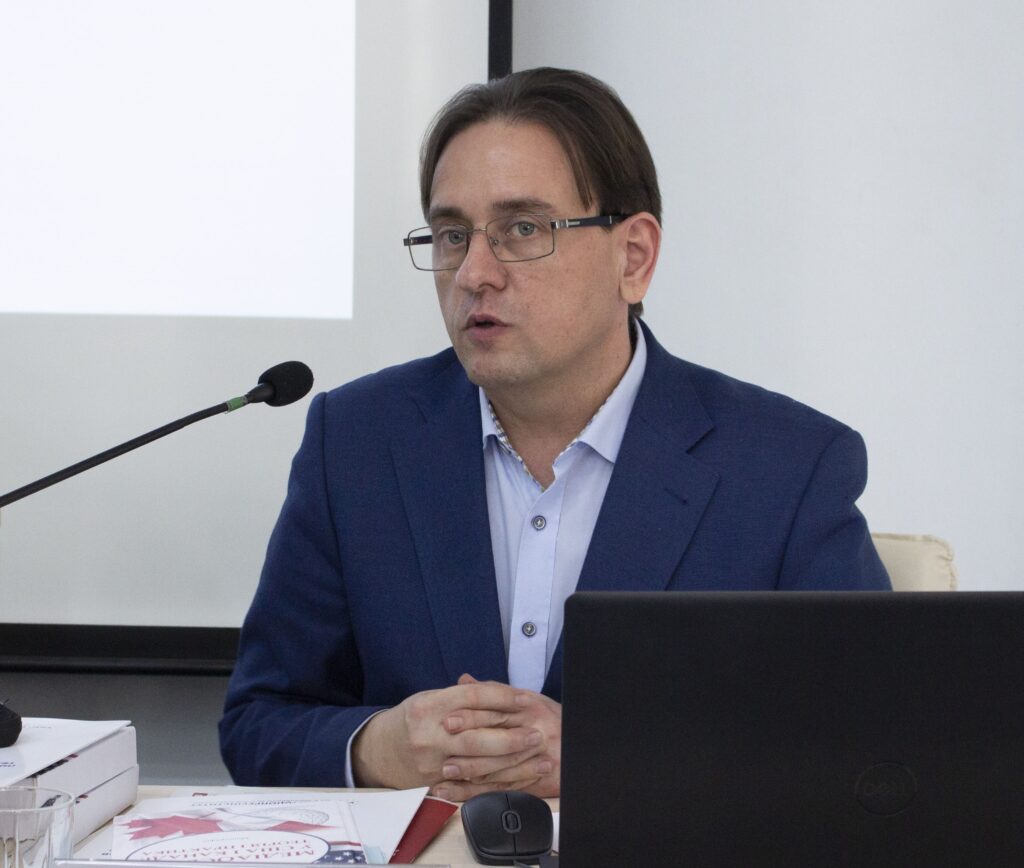
Glib Golovchenko acting Director of the Ukrainian Institute for Advanced Training of Television, Radio Broadcasting and Press Workers (UTRPI), Doctor of Pedagogical Sciences, Secretary of the National Union of Journalists of Ukraine, Honored Journalist of Ukraine, noted that more than half a century ago, the term “media education” first used at a meeting of the UNESCO Information Sector and the International Film and Television Council became widespread throughout the world. A number of international documents on media education and media literacy, the world experience of adult media education, in particular, the USA and Canada, are aimed to eliminate the problems of mass communication. He emphasized that the demand for quality content, especially in wartime, remains unmet, as mass media are sometimes used as a tool of hybrid warfare. Therefore, critical thinking skills become invaluable in the digital society.
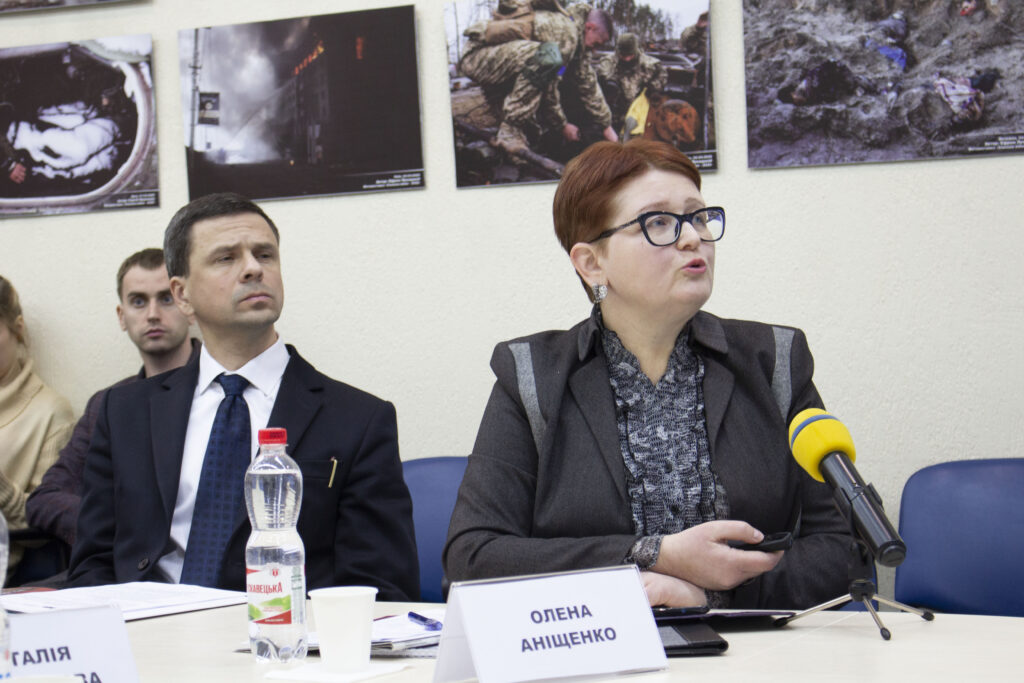
The speech of the head of the department of andragogy of the Ivan Zyazyun Institute of Pedagogical and Adult Education of National Academy of Educational Sciences of Ukraine, Doctor of Pedagogical Sciences, Professor Olena Anishchenko, was devoted to highlighting the problems of media competence of adults and the possibility of developing non-formal education in Ukraine.
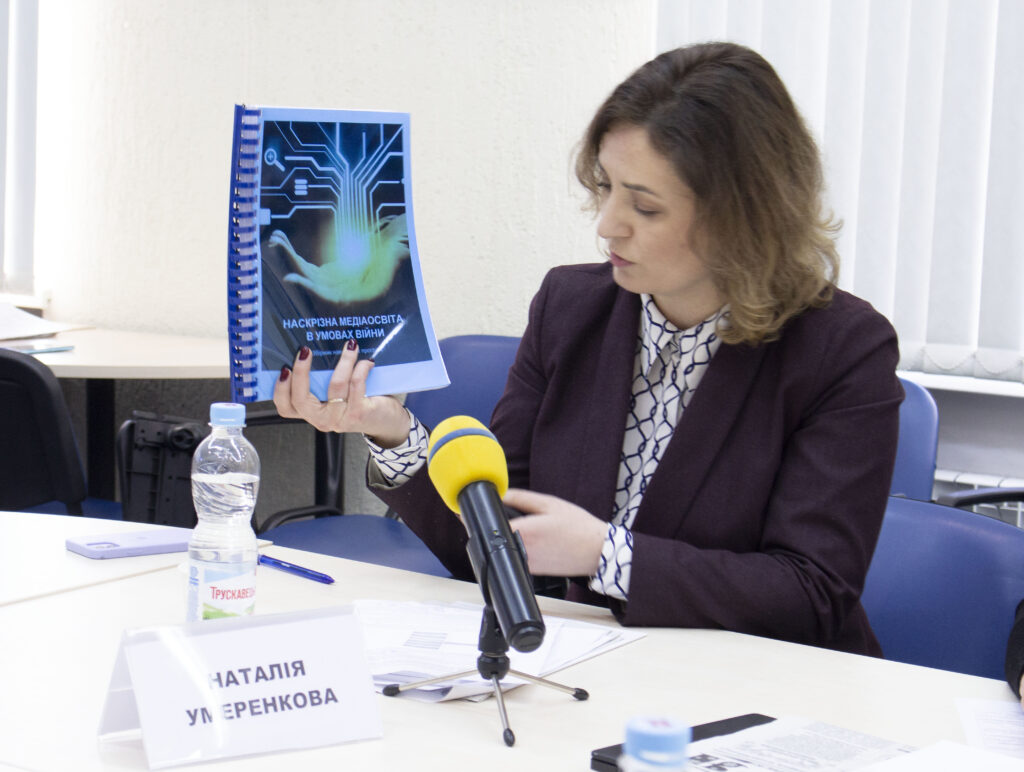
Natalia Umerenkova, senior researcher of the mass communication and media education department of the Institute of Social and Political Psychology of the National Academy of Educational Sciences of Ukraine, candidate of psychological sciences, convinced the audience of the relevance of trauma-healing media education during the war. She presented, in particular, the development of the All-Ukrainian mental health program “How are you?” As a practicing psychotherapist and psychologist, Natalia Umerenkova spoke very figuratively about the perception of media products: it seems that everyone seems to understand it, but how to get out of our “information bubble”, it turns out that there is a lot of work around.
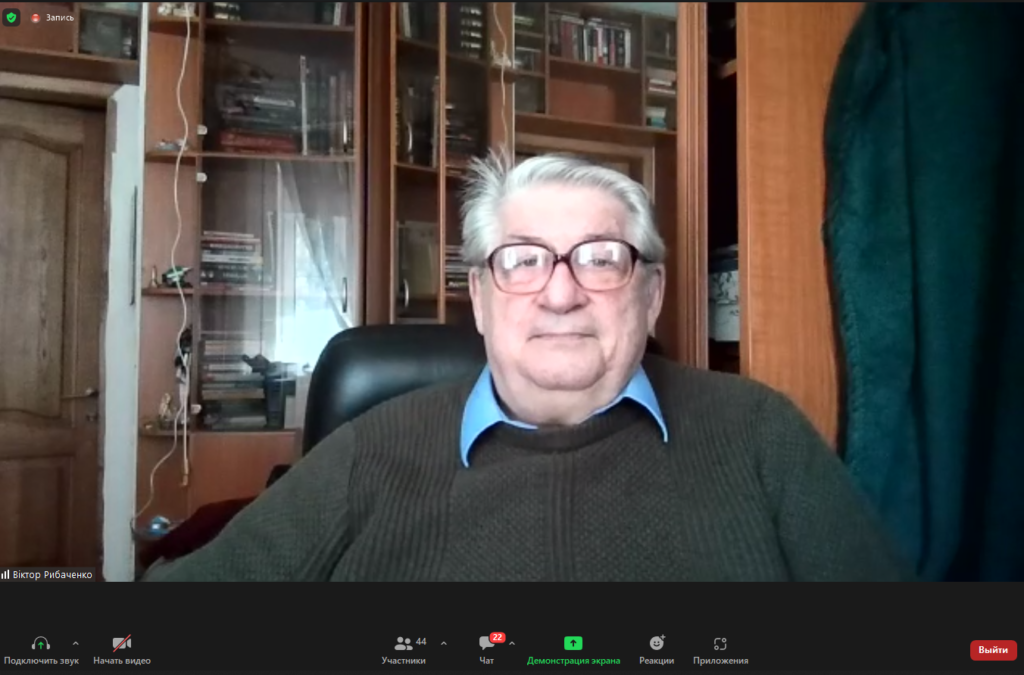
Viktor Rybachenko, vice president of the Association of Political Psychologists of Ukraine, teacher of the UTRPI, professor of the Faculty of PR, Journalism and Information Policy of the Kyiv National University of Culture and Art, Honored Worker of Culture of Ukraine, presented his author’s development – a scale for the development of a person’s media literacy. In his usual witty manner, he offered to distinguish between: media illiteracy – an illegible consumer of media products, media literacy as an unstable omnivore, media competence as a media connoisseur of context, media subjectivity as the ability to distinguish gross disinformation, a media hedonist – a carrier of high media culture, critical thinking, a creator of a media product. And as a branch – media asceticism and media snobbery. Viktor Rybachenko urged the participants to diagnose their level and, if possible, move to a higher level.
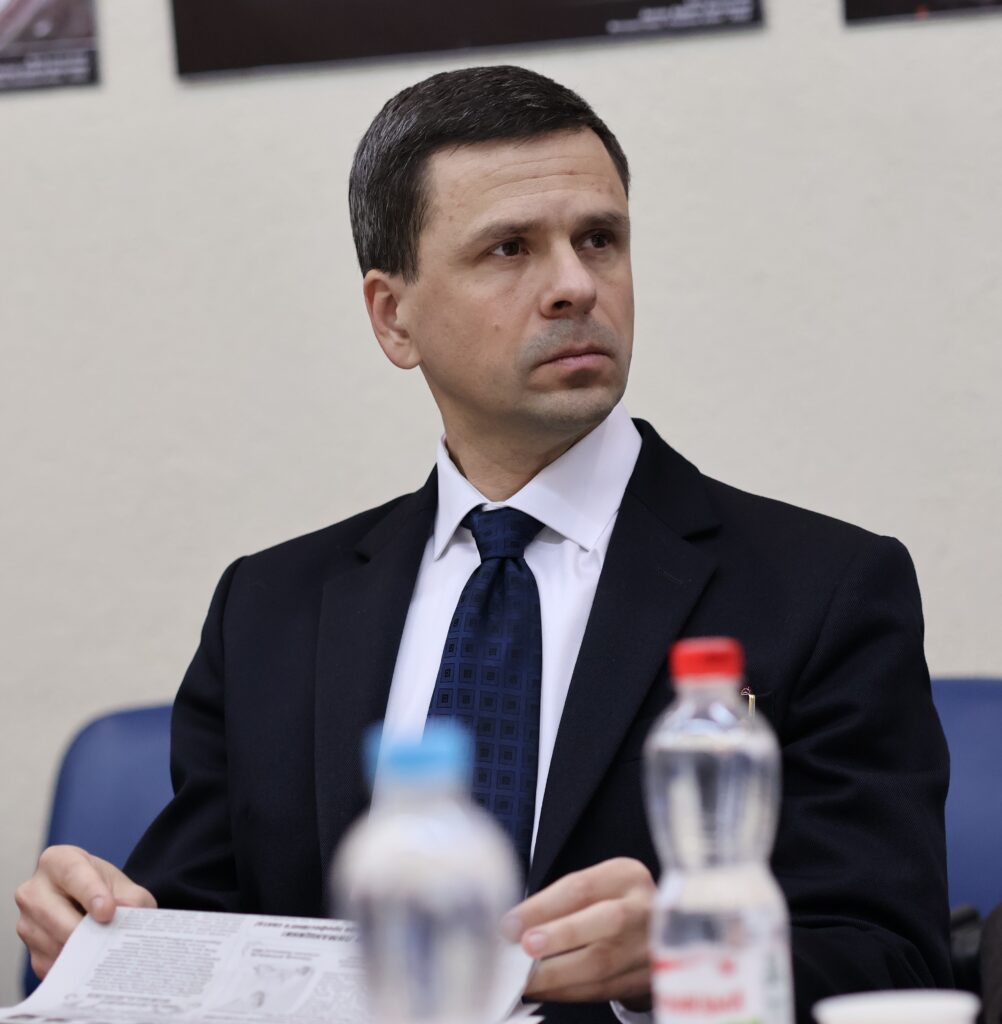
Associate Professor of the Department of Logic at the Taras Shevchenko National University of Kyiv, senior lecturer at the UTRPI, Candidate of Philosophical Sciences Vitaliy Krykun, in a speech about myths and reality in media education for adults, called for more often to get out of the established communication comfort zone, for that “echo cameras” and “epistemic bubbles” of our existence did not prevent us from developing, thinking critically, and perceiving new things.
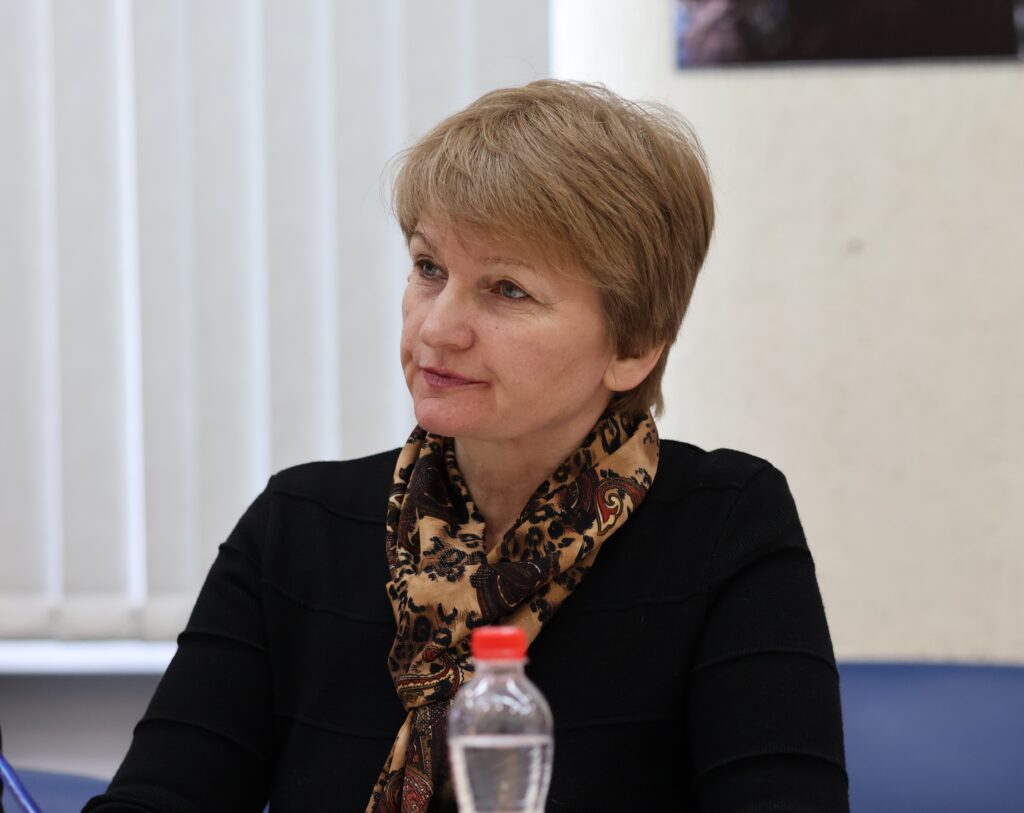
Olha Banit, chief researcher of the department of andragogy of the Ivan Zyazyun Institute of Pedagogical and Adult Education of National Academy of Educational Sciences of Ukraine, doctor of pedagogical sciences, senior researcher, characterized the peculiarities of the development of media literacy of young people in the conditions. The quintessence of the speech was that modern Ukrainian youth, despite mostly rejecting traditional mass media – television, radio broadcasting and the press – positions themselves as “not lost, but pumped up”.
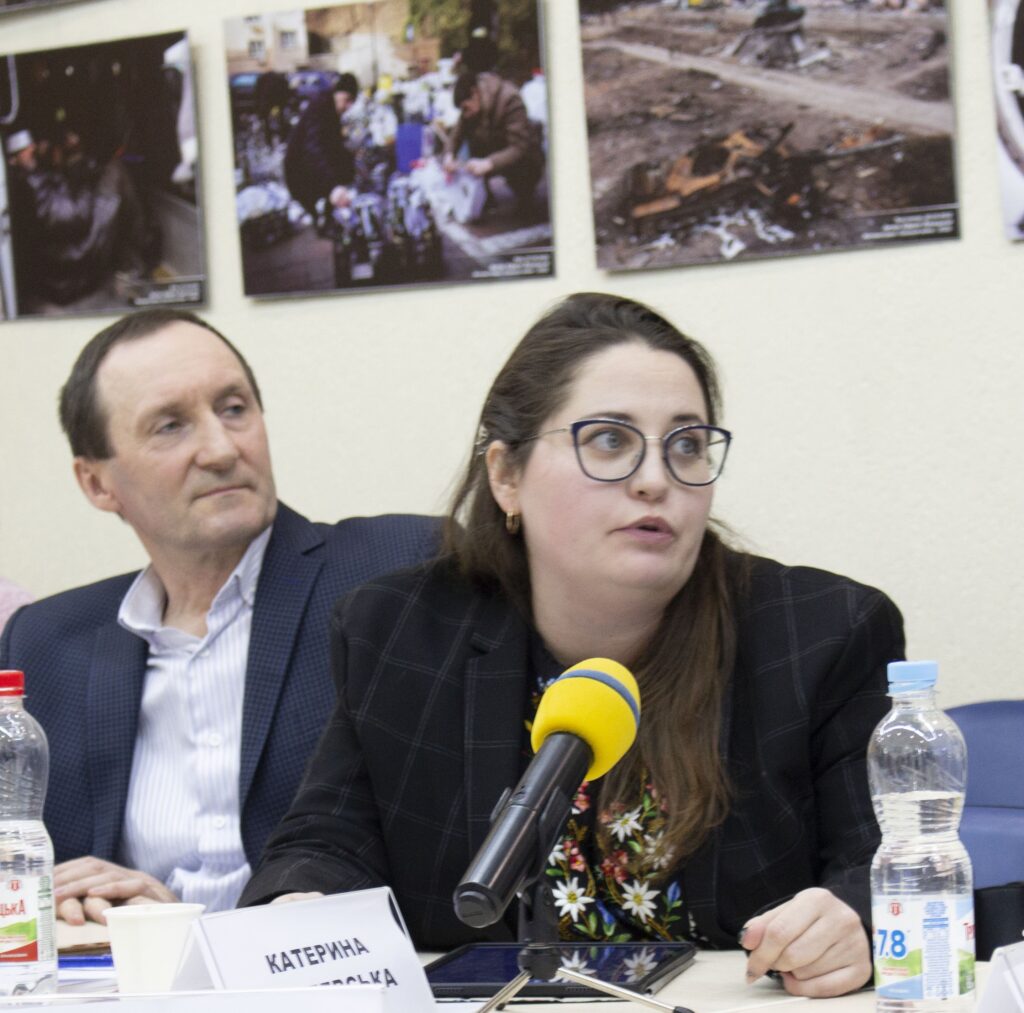
At the same time, senior researcher of the Department of Foreign Systems of Pedagogical Education and Adult Education of the Ivan Zyazyun Institute of Pedagogical and Adult Education of National Academy of Educational Sciences of Ukraine, Candidate of Pedagogical Sciences, Kateryna Godlevska, paid the attention of the Round Table participants to the need to develop special media literacy programs specifically for pedagogical workers in wartime conditions.
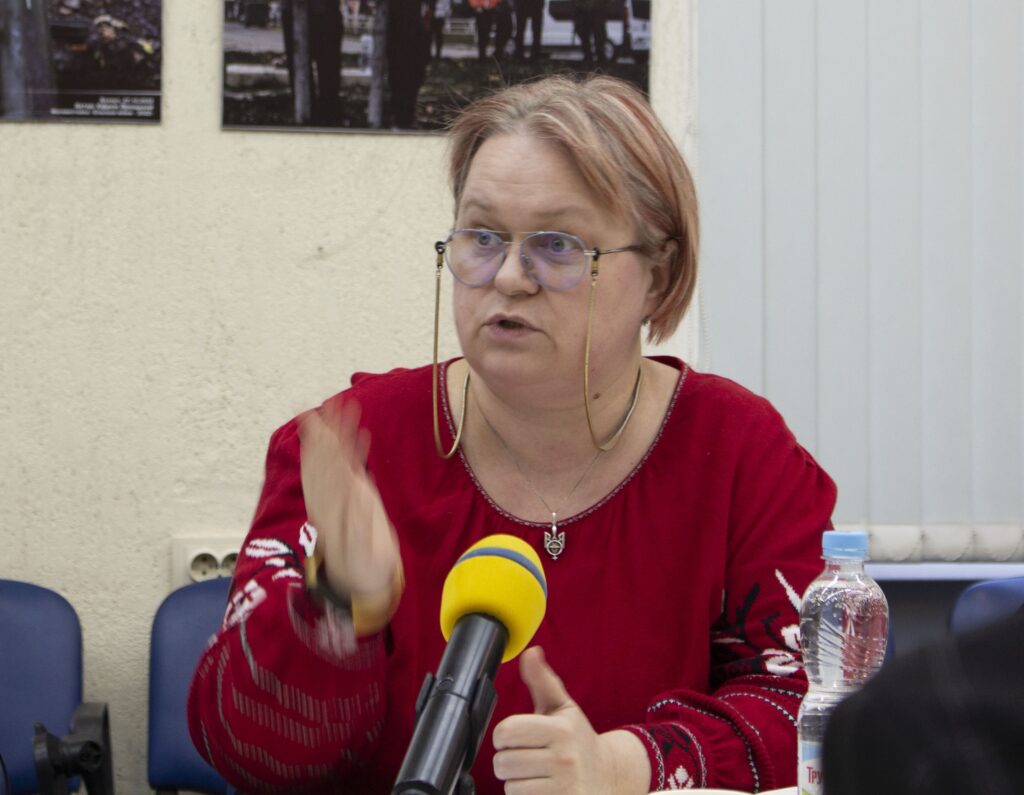
The deputy head of the department of the UTRPI, the national expert on gender issues Maria Dmitrieva noted that media literacy, media hygiene, and media education are practically inaccessible to the rural population of older age, and especially women, due to being busy with household chores, and due to the lack of gadgets, the inability to use them. She offered to correct the situation in media education with the involvement of libraries of territorial communities.
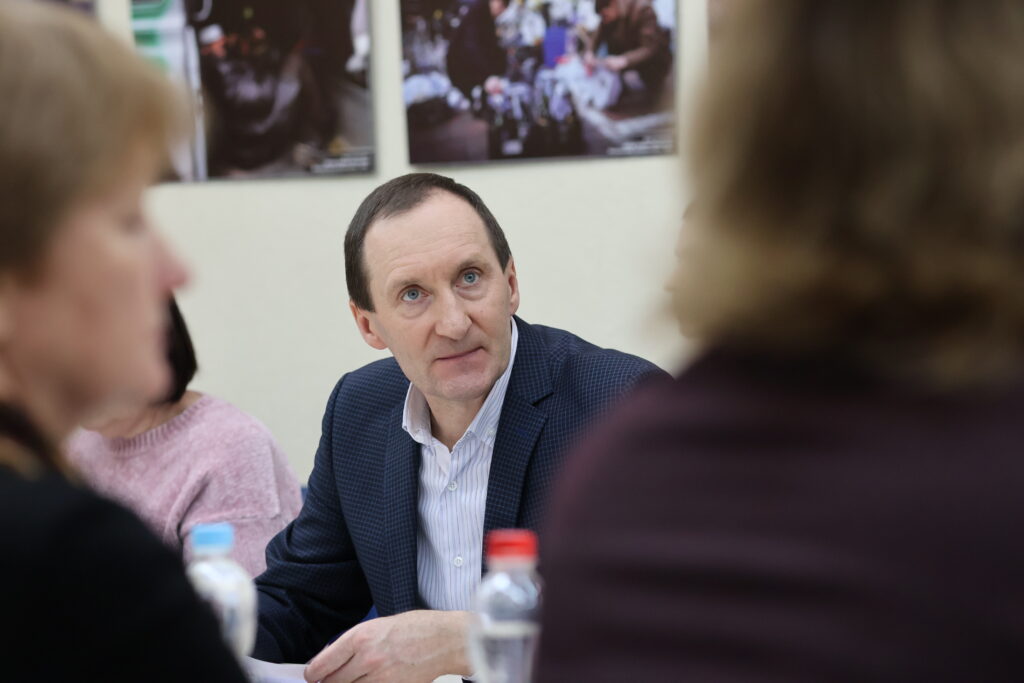
The development of media literacy of students in higher military educational institutions in Ukraine was discussed in the speech of the leading researcher of the department of andragogy of the Ivan Zyazyun Institute of Pedagogical and Adult Education of National Academy of Educational Sciences of Ukraine, Candidate of Pedagogical Sciences, Associate Professor Ihor Radomskyi.
rpt
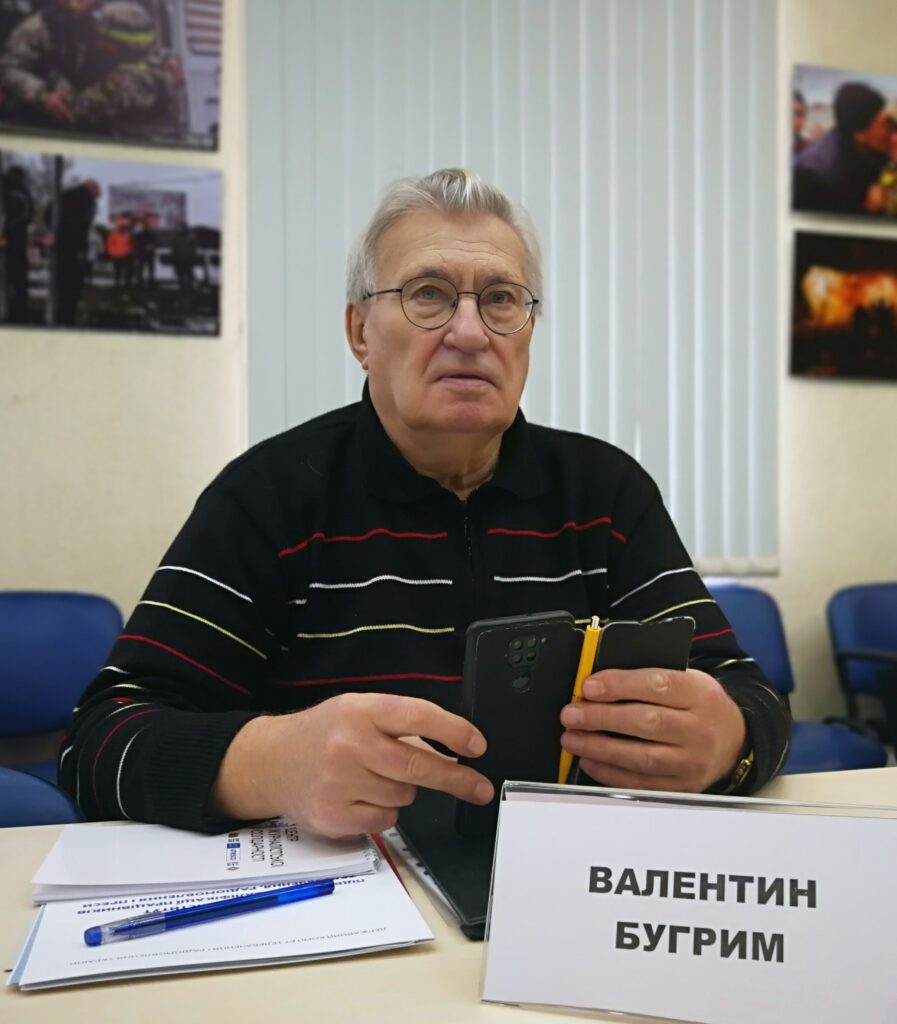
Valentin Bugrym, a teacher of the first category of the department of the UTRPI, spoke about new information phenomena such as newsscrolling and doomscrolling and their possible psychological consequences. He offered to promote the scientifically based position that learning new things and learning prolong life, and also emphasized the importance of taking these proposals into account in the draft Law of Ukraine “On Adult Education”.
Academician-secretary of the department of professional education and adult education of the National Academy of Educational Sciences of Ukraine, Doctor of Sciences (Dr. Hab.) in Pedagogy, professor, active member (academician) of the National Academy of Educational Sciences of Ukraine, honored worker of science and technology of Ukraine Nellia Nychkalo focused in her speech on the problems of media education as an important prospective direction of pedagogical research. Based on the results of the round table, appropriate recommendations were prepared.